
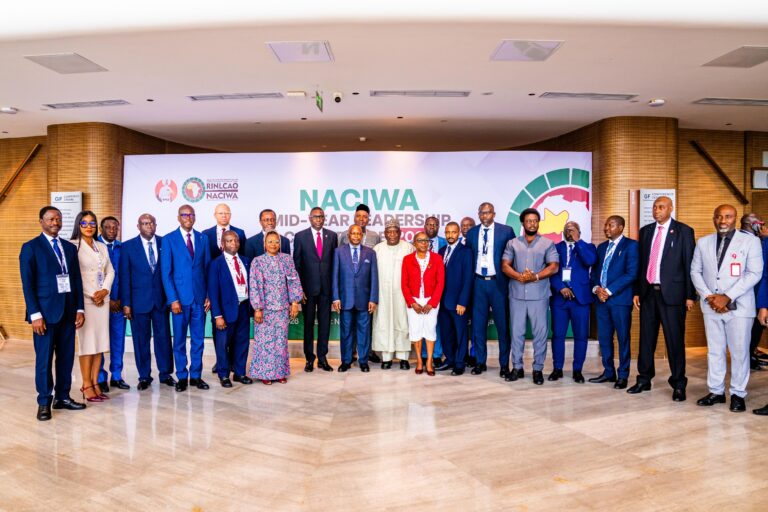
The Executive Chairman of the Economic and Financial Crimes Commission (EFCC) and President of the Network of Anti-Corruption Institutions in West Africa (NACIWA), Mr. Ola Olukoyede, has identified integrity as a critical and compelling requirement for the sustainable development of nations and institutions across the West African sub-region.
He stated this in Abuja on Tuesday, July 21, 2026, at the opening ceremony of a two-day Leadership Conference for Heads of National Anti-Corruption Institutions in West Africa, held at the New ECOWAS Secretariat.
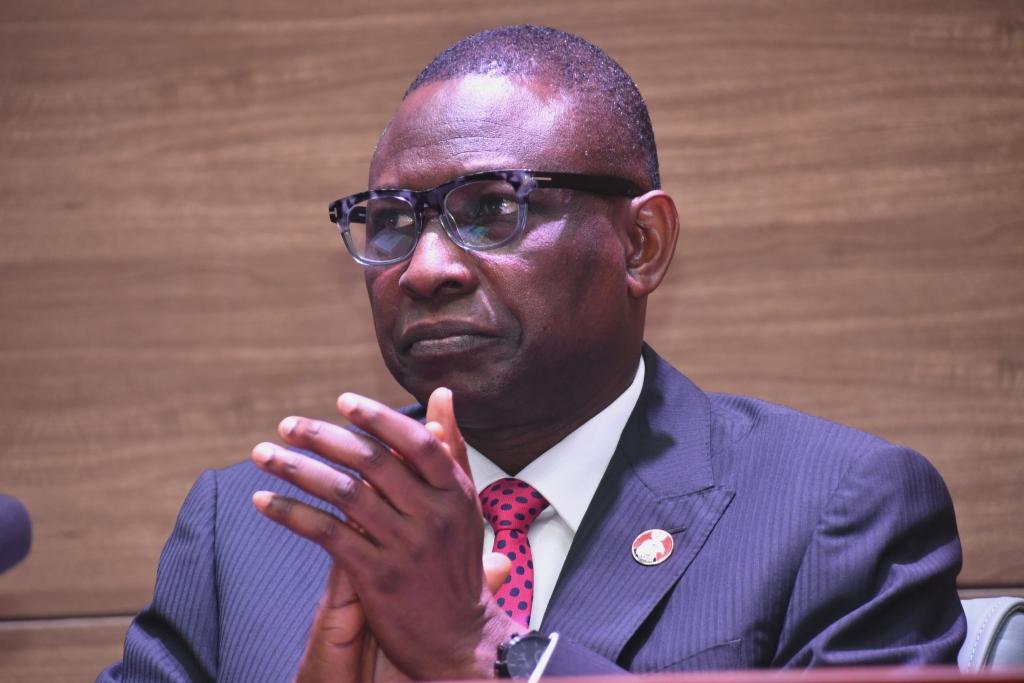
Olukoyede pointed out that without integrity in public institutions, the promises of economic integration, democratic governance, peace, and sustainable development cannot be realised.
Corruption, he said, “weakens public confidence, diverts resources from essential services, distorts markets, undermines security, and threatens the legitimacy of the state.”
He disclosed that the corruption landscape has changed significantly, with criminal networks increasingly operating across borders. Illicit financial flows, he noted, move through multiple jurisdictions within seconds, while digital platforms and emerging technologies are creating new opportunities for development but also generating new forms of fraud, concealment, manipulation, and financial crimes.
While noting that Artificial Intelligence (AI) has transformed the way information is generated, analysed, and deployed—offering enormous potential for detection, intelligence development, risk assessment, and institutional efficiency—he stressed that it also raises important questions regarding governance, ethics, accountability, data integrity, and organisational readiness.
Explaining the rationale for the conference, Olukoyede stated that it was designed as both a leadership development programme and a statement of institutional intent.
“We are signalling that leadership development, institutional capacity, peer learning, and implementation must become permanent features of the Network’s programming. We are signalling that West African anti-corruption institutions are prepared to take collective responsibility for strengthening the regional integrity architecture,” he said.
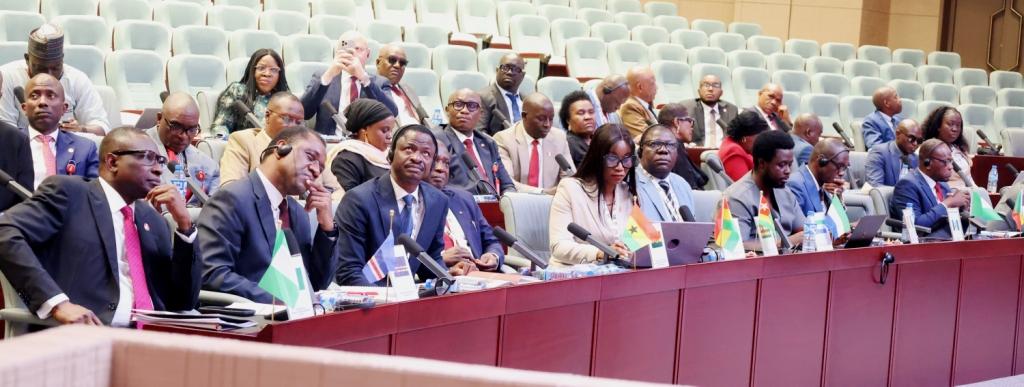
The conference, attended by heads of anti-corruption agencies and institutions across West Africa, including the Chairman of the Code of Conduct Bureau, Dr. Abdullahi Bello, and representatives of the Independent Corrupt Practices and Other Related Offences Commission (ICPC), devoted ample time to discussions on artificial intelligence in transformational leadership; institutional independence, integrity and accountability; institutional reform and high performance; digital transformation and intelligence-led enforcement; judicial partnership; transnational corruption; cross-border cooperation; asset recovery leadership; and effective board and executive governance.
Explaining what a successful anti-corruption fight entails, the EFCC Chairman stated that anti-corruption agencies are required to pursue difficult cases, confront powerful interests, protect the integrity of sensitive investigations, respond to rapidly evolving financial crimes, manage public expectations, and maintain public confidence in their work.
In doing so, he noted that the agencies must also ensure due process, institutional accountability, professionalism, fairness, and respect for the rule of law.
“These challenges require more than technical competence. They require strategic leadership,” he said.
“Our institutions must be built to outlive us. They must have clear systems, credible governance arrangements, professional personnel, reliable technology, institutional memory, and cultures that preserve integrity across successive leadership transitions.
“We must build anti-corruption institutions that are strong because their systems are strong; trusted because their processes are credible; and sustainable because their capabilities are deliberately developed and continuously renewed.”
Delivering the NACIWA Distinguished Leadership Lecture, the Attorney-General of the Federation and Minister of Justice, Prince Lateef Fagbemi, SAN, stated that West African states are at a defining moment, where leadership is measured not by the eloquence of pronouncements but by the strength, credibility, and integrity of the institutions they build and sustain.
“West Africa stands at such a moment. Across our region, citizens are demanding governments that are accountable, economies that are transparent, and public institutions worthy of their confidence,” he said.
According to him, protecting public trust and ensuring accountability in the management of public resources require more than robust legal frameworks or institutional mandates; they demand courageous, visionary, and transformational leadership.
“Leadership that is prepared to uphold the rule of law without fear or favour, strengthen institutional independence, inspire public confidence, and leave behind institutions that are stronger than individuals,” he said, adding that “the difference between an institution that merely occupies space and one that changes the trajectory of a nation is almost always leadership.”
He warned that public office is not a licence for self-enrichment and stressed that those entrusted with public resources must always be prepared to account for how such resources are managed.
Nigeria, he said, remains unwavering in its commitment to combating corruption through strong institutions and the faithful application of the law.
Other speakers at the conference included Dr. Olubunmi Ajayi, former Chairman of the Independent Corrupt Practices and Other Related Offences Commission (ICPC); Professor Bolaji Owasanoye, former Chairman of the ICPC; Mr. Dein Whyte; and Dr. Arabi D. I., among others.
The Leadership Conference is the maiden edition organised by the Executive Committee of NACIWA. The well-attended event features delegates from Ghana, Sierra Leone, Cape Verde, Togo, The Gambia, Senegal, and other West African countries.
The conference is expected to produce the Abuja Leadership Declaration, which will capture NACIWA’s shared understanding of the leadership standards, institutional priorities, and cooperative actions required to strengthen anti-corruption effectiveness across West Africa.


0 Comments